Articles tagged with: data journalism
India’s district courts: Data proves ticking time bomb of too few judges, impossible case loads and infinite disposal timelines
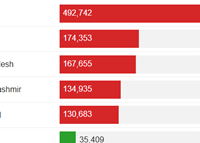 As of today, there are more than 20 million cases pending in the Indian district courts; two-thirds are criminal cases and one in 10 have been pending for more than 10 years, our analysis of National Judicial Data Grid (NJDG) data has revealed.
Guess what, the SC’s tax bench was a major success. But why is it dead now?

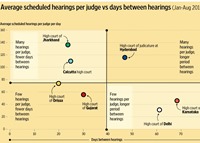
Each to their own: Daksh research reveals how cases move differently through different high courts [via Mint]
Is the senior counsel system broken for good or can it be salvaged? We asked 6 seniors what they thought [READ PETITION]
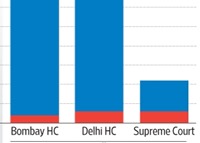
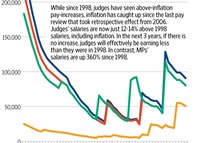
5 charts reveal judges were once paid Rs 3 lakh per month; today they earn a third (as MPs’ salaries doubled) [download data]
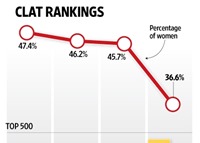
CLAT 2015: Why did girls do MUCH worse than boys this year? [Via Mint: Download full source #data]
Which state did best in CLAT 2015? 4 charts prove Karnataka is king of CLAT, while UP, Bihar underperform